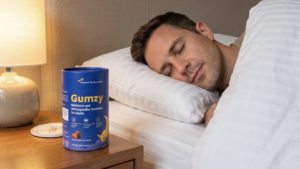

Good Sleep Essentials: Why Your Nighttime Routine Matters
Good Sleep Essentials: Why Your Nighttime Routine Matters
Written by : Dr Parag Sharma MD, Lifestyle Medicine Expert, India
Medically reviewed by Dr Saniya Khan PhD, Certified Nutrionist and Researcher, Italy
Last reviewed: 29 September 2026
Next review: 29 March 2027
Our sources: WHO, ICMR-NIN, CDC, UNICEF, NHS, Mayo Clinic, NIH and peer-reviewed studies.
Modern adult life rarely leaves room to think about good sleep essentials. Work emails keep arriving, phones stay within reach, household responsibilities compete for attention, and stress can follow us from the office into the bedroom. For many adults, the problem isn’t simply having too little time available for sleep — it’s the difficulty of transitioning from an active, stimulated day into a relaxed state that actually supports sleep.
Quick answer: Good sleep essentials include consistent sleep and wake times, a 30–60 minute wind-down period, limited screens and caffeine in the evening, a cool and dark bedroom, and daytime light and activity. These habits support healthy sleep, but they are not a substitute for treatment if you have persistent insomnia.
The reassuring part is that sleep is shaped by behaviour, environment, timing and daily habits — all things you have some influence over. A thoughtful nighttime routine can help create better conditions for sleep. But it’s worth being upfront about the limits of that: good sleep habits are not the same thing as treatment for a diagnosed sleep disorder. Most adults need 7–9 hours of sleep a night, with at least 7 hours recommended for healthy adults by major sleep-health guidance. Mayo Clinic — Sleep tips: 6 steps to better sleep
What Do “Good Sleep Essentials” Actually Mean?
Good sleep isn’t only about the number of hours spent in bed. Healthy sleep involves several dimensions:
- Adequate sleep duration
- Regular sleep and wake times
- Reasonably uninterrupted sleep
- Appropriate timing
- Feeling rested and functioning well during the day
The National Heart, Lung, and Blood Institute (NHLBI) notes that ongoing sleep deficiency can contribute to health problems, including cardiovascular and metabolic conditions, and is linked to a higher chance of injury. NHLBI — Sleep Deprivation and Deficiency This is why improving sleep is best treated as part of an overall healthy lifestyle, rather than a single quick fix.
1. Build a Consistent Sleep Schedule
One of the most practical good sleep essentials is consistency. Try to go to bed and wake up at approximately the same time every day, including weekends. Your sleep-wake cycle is regulated partly by your circadian rhythm, and large swings in sleep and wake times can make it harder for your body to maintain a predictable rhythm. NHLBI guidance recommends keeping sleep schedules consistent and limiting the difference between weekdays and weekends to about an hour. NHLBI — Healthy Sleep Habits
A simple starting point:
- Choose a realistic wake-up time first.
- Then work backwards to allow enough time for sleep.
A routine you can actually follow consistently is more useful than an ideal schedule you can’t maintain.
2. Create a 30–60 Minute Wind-Down Period
Going straight from work, gaming, social media or a stressful conversation into bed can make it hard to mentally switch off. Instead, build a wind-down period before bedtime. Your routine could include:
- Dimming the lights
- Taking a warm shower
- Reading a book
- Gentle stretching
- Listening to calm music
- Journaling
- Practising slow breathing
- Preparing for the next day
NHLBI guidance recommends using the hour before bed for quiet time. NHLBI — Healthy Sleep Habits The purpose isn’t to force yourself to sleep — it’s to create a predictable transition from wakefulness, to relaxation, to sleep.
3. Manage Evening Screen Exposure
Phones, laptops, televisions and tablets can become part of the bedtime routine without us noticing. The issue isn’t only the screen itself — evening device use often involves bright light, mental stimulation, emotionally engaging content, and delayed bedtimes. Mayo Clinic’s sleep specialists specifically recommend turning off all screens, including smartphones, an hour before bed. Mayo Clinic — Sleep tips
Instead of scrolling in bed for 45 minutes, try putting your phone aside during your wind-down period and replacing some of that time with reading, music or another quiet activity. If you need your phone for an alarm, consider placing it across the room rather than keeping it within reach.
4. Look at Your Caffeine Timing
That afternoon coffee may be affecting your nighttime sleep more than you realise. Caffeine is a stimulant, and its stimulating effects can take hours to wear off and interfere with sleep quality. Mayo Clinic — Sleep tips
Caffeine can come from coffee, tea, energy drinks, cola, chocolate, and pre-workout products. Sensitivity varies considerably between individuals. If you regularly struggle to fall asleep, it’s worth reviewing how much caffeine you consume and when.
5. Don’t Use Alcohol as a Sleep Strategy
Alcohol can make some people feel sleepy initially, but that doesn’t mean it produces healthy, restorative sleep. Even though alcohol might make you feel drowsy at first, it can disrupt sleep later in the night. Mayo Clinic — Sleep tips If sleep is a concern, alcohol should not be treated as a sleep aid.
6. Get Daytime Light and Physical Activity
A healthy nighttime routine actually begins during the day. Regular physical activity supports healthier sleep patterns. Mayo Clinic — Sleep tips Try building simple habits into your day:
- Take a morning walk
- Spend some time outdoors
- Exercise regularly
- Break up long periods of sitting
- Keep a reasonably consistent daily routine
That said, very intense exercise immediately before bed may be stimulating for some people, so timing matters.
7. Make Your Bedroom Sleep-Friendly
Your bedroom should support sleep rather than compete with it. A useful sleep environment is generally cool, quiet, dark and comfortable. Consider:
- Reducing unnecessary lighting
- Minimising disruptive noise
- Choosing comfortable bedding
- Keeping the bedroom at a comfortable temperature
- Removing unnecessary screens from the sleep environment
Small environmental changes can make a nighttime routine much easier to maintain.
8. Give Your Mind a Chance to Slow Down
Sometimes the body is tired, but the mind is still working. Work deadlines, family responsibilities, financial concerns and tomorrow’s tasks can produce repetitive thoughts at bedtime. Relaxation techniques may help some people reduce physical and mental tension:
- Slow breathing — take slow, comfortable breaths and focus on the sensation of breathing rather than trying to force sleep.
- Progressive muscle relaxation — gently tense and relax different muscle groups, working through the body.
- Reading — choose something calming rather than highly stimulating.
- Journaling — writing down tomorrow’s tasks or concerns before bed may help reduce the urge to mentally rehearse them while trying to sleep.
For a deeper walkthrough of each of these eight habits with more detail on building them into a nightly sequence, see our companion guide, Healthy Sleep Routine: The 8 Pillars.
What Does the Research Actually Say About Sleep Hygiene?
The term “sleep hygiene” is widely used, but the scientific literature shows it’s broader and less precisely defined than many online articles suggest.
Importantly, sleep hygiene should not be presented as a guaranteed treatment for insomnia. A 2025 systematic review and meta-analysis in Sleep Medicine Reviews, covering randomized controlled trials retrieved from seven databases, found that sleep hygiene education produced real improvements but was significantly less effective than cognitive behavioural therapy for insomnia (CBT-I), partial CBT-I, structured exercise programmes, and acupressure. The authors also noted that the large majority of included trials carried a high risk of bias. Ruan et al., 2025, Sleep Medicine Reviews
This distinction matters: healthy sleep habits are valuable, but persistent insomnia may require evidence-based clinical treatment rather than lifestyle tweaks alone.
Evidence-Based Sleep Facts
After reviewing guidance from NHLBI, Mayo Clinic and peer-reviewed literature, these are useful facts to keep in mind:
- Most adults need 7–9 hours of sleep each night, with at least 7 hours recommended for healthy adults. Mayo Clinic — Sleep tips
- Consistent sleep and wake times support a stable sleep-wake rhythm. NHLBI — Healthy Sleep Habits
- Bright light and stimulating activity close to bedtime can interfere with sleep.
- Caffeine’s stimulating effects can last for hours and may interfere with nighttime sleep.
- Alcohol should not be relied on as a sleep aid.
- Regular daytime physical activity is associated with healthier sleep habits.
- A quiet, cool and dark bedroom supports sleep.
- Sleep hygiene alone should not be considered a complete treatment for chronic insomnia. Ruan et al., 2025
- CBT-I is generally recommended as a first-line treatment for persistent insomnia. NHLBI — Sleep Deprivation and Deficiency: Diagnosis and Treatment
A Simple Nighttime Routine to Try Tonight
You don’t need to change everything at once. Try this sequence:
- 60 minutes before bed: Reduce work and stimulating activities.
- 45 minutes before bed: Dim lights and reduce screen use.
- 30 minutes before bed: Take a shower, read, or listen to calming music.
- 15 minutes before bed: Try slow breathing or another relaxation technique.
- Bedtime: Go to bed at your planned time and keep your bedroom quiet, dark and comfortable.
Consistency matters more than perfection. For why this sequence matters and the reasoning behind each step, see our related article, Why Your Nighttime Routine Matters.
When Should You Seek Professional Help for Sleep Problems?
Occasional poor sleep is common. Persistent sleep difficulties are different. Consider speaking with a doctor or qualified sleep professional if you regularly:
- Struggle to fall asleep
- Wake repeatedly during the night
- Wake much earlier than intended
- Feel excessively sleepy during the day
- Experience persistent fatigue or concentration problems
- Snore heavily or have unusual nighttime breathing
- Depend on sleep aids to sleep
- Have sleep difficulties affecting work, relationships or daily functioning
Insomnia can have psychological, behavioural, medical or medication-related contributors. For persistent insomnia, cognitive behavioural therapy for insomnia (CBT-I) has an established evidence base and is generally recommended as a first-line treatment. NHLBI — Diagnosis and Treatment
A nighttime wellness product should never be used as a substitute for appropriate assessment when a sleep disorder may be present.
Sleep & Relaxation Essentials from Gumzy
Better sleep begins with better habits. At Gumzy, our approach to wellness focuses on helping people make informed choices about everyday health and nutrition.
Explore the Gumzy Amazon range →
For adults experiencing persistent insomnia or significant daytime impairment, speak with a qualified healthcare professional rather than relying solely on supplements or lifestyle products.
Frequently Asked Questions
How many hours of sleep do adults need?
Most adults need approximately 7–9 hours of sleep per night. Individual needs vary, but regularly getting less than the recommended amount may affect health and daytime functioning.
What is the best bedtime routine for adults?
A useful routine is predictable and calming. Reduce stimulating activities, limit bright screens, practise relaxation techniques, and maintain a consistent bedtime and wake time.
Does screen time affect sleep?
Bright light and stimulating electronic-device use close to bedtime can interfere with sleep timing and the transition into sleep.
Is sleep hygiene enough to treat insomnia?
Not necessarily. Sleep hygiene is an important part of healthy sleep behaviour, but research indicates it should not be considered equivalent to evidence-based insomnia treatment such as CBT-I.
What can I do if stress keeps me awake?
Try creating a wind-down period before bed, reducing stimulating activities, practising relaxation techniques, and keeping a consistent sleep schedule. If persistent worry or insomnia continues, a professional assessment may be appropriate.
Are sleep supplements a substitute for treating insomnia?
No. Supplements should not be presented as a substitute for assessment or evidence-based treatment of a sleep disorder. Speak with a healthcare professional if sleep problems persist.
Ready to Transform Your Nights?

Drift into deeper sleep, naturally — with Gumzy Melatonin & Ashwagandha Gummies.
References
- NHLBI. Sleep Deprivation and Deficiency. https://www.nhlbi.nih.gov/health/sleep-deprivation
- NHLBI. Healthy Sleep Habits. https://www.nhlbi.nih.gov/health/sleep-deprivation/healthy-sleep-habits
- NHLBI. Sleep Deprivation and Deficiency — Diagnosis and Treatment. https://www.nhlbi.nih.gov/health/sleep-deprivation/diagnosis-treatment
- Mayo Clinic. Sleep tips: 6 steps to better sleep. https://www.mayoclinic.org/healthy-lifestyle/sleep/art-20048379
- Ruan JY, et al. Effects of sleep hygiene education for insomnia: A systematic review and meta-analysis. Sleep Medicine Reviews, 2025. https://doi.org/10.1016/j.smrv.2025.102109